Co-Founder, Science Lead
Ana Lopez
Start your climate physical risks analysis today
Discover how our Climate Tool can support your business’s climate analytics for multiple applications and users
Book a demo

Low-Wind Years and Climate Risk for Wind Farms
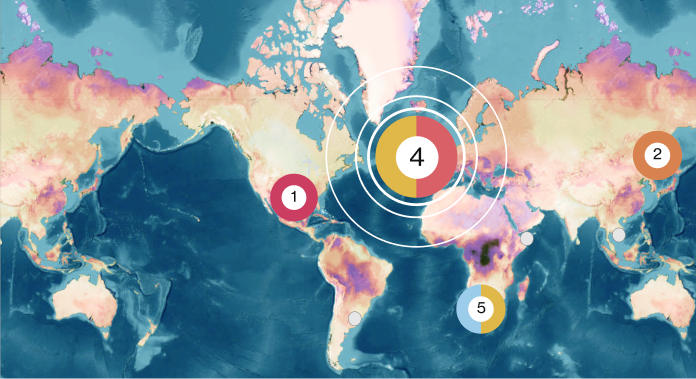
Using climate drivers to explain low-wind anomalies and safeguard wind project performance

How climate diagnostics improve wind resource assessments in the APAC region

In recent years, several wind portfolios have experienced lower than expected wind seasons, leading asset managers and investors to question whether these events were isolated anomalies or part of a broader shift linked to climate variability and climate change.

For multiple wind projects worldwide, Climate Scale was asked to assess how exceptional recent low-wind years were, identify the climate drivers behind observed wind anomalies, and evaluate whether similar events could become more frequent or intense in the future.

These analysis are becoming increasingly important for wind resource assessment, long-term financial planning and climate risk management across the renewable energy sector.
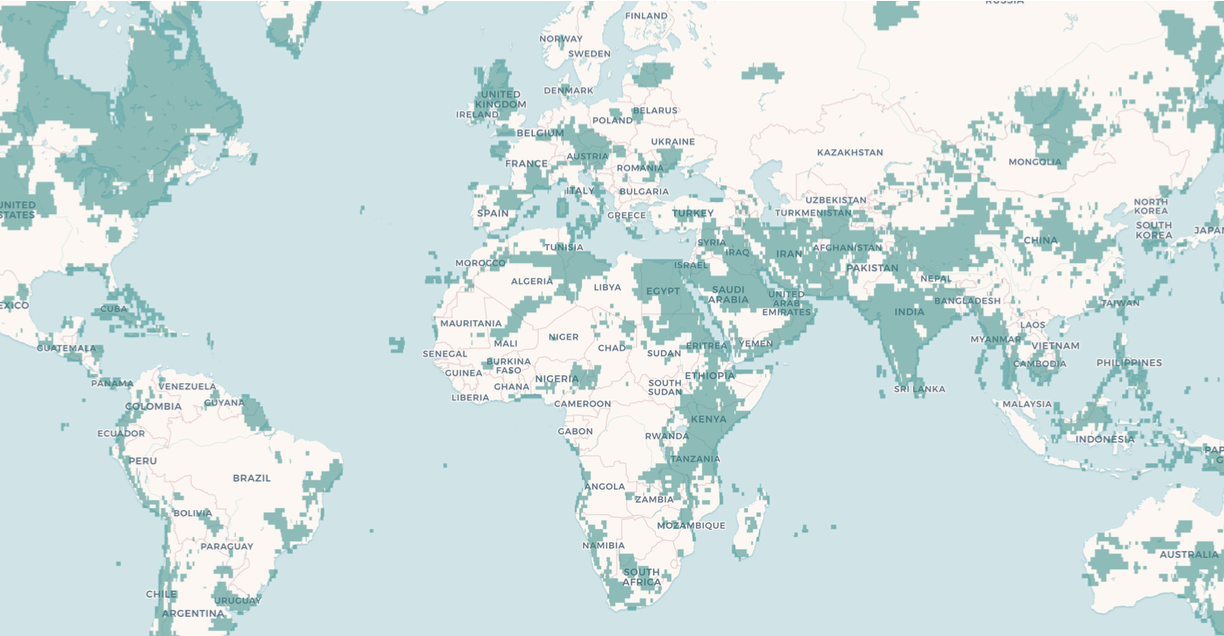
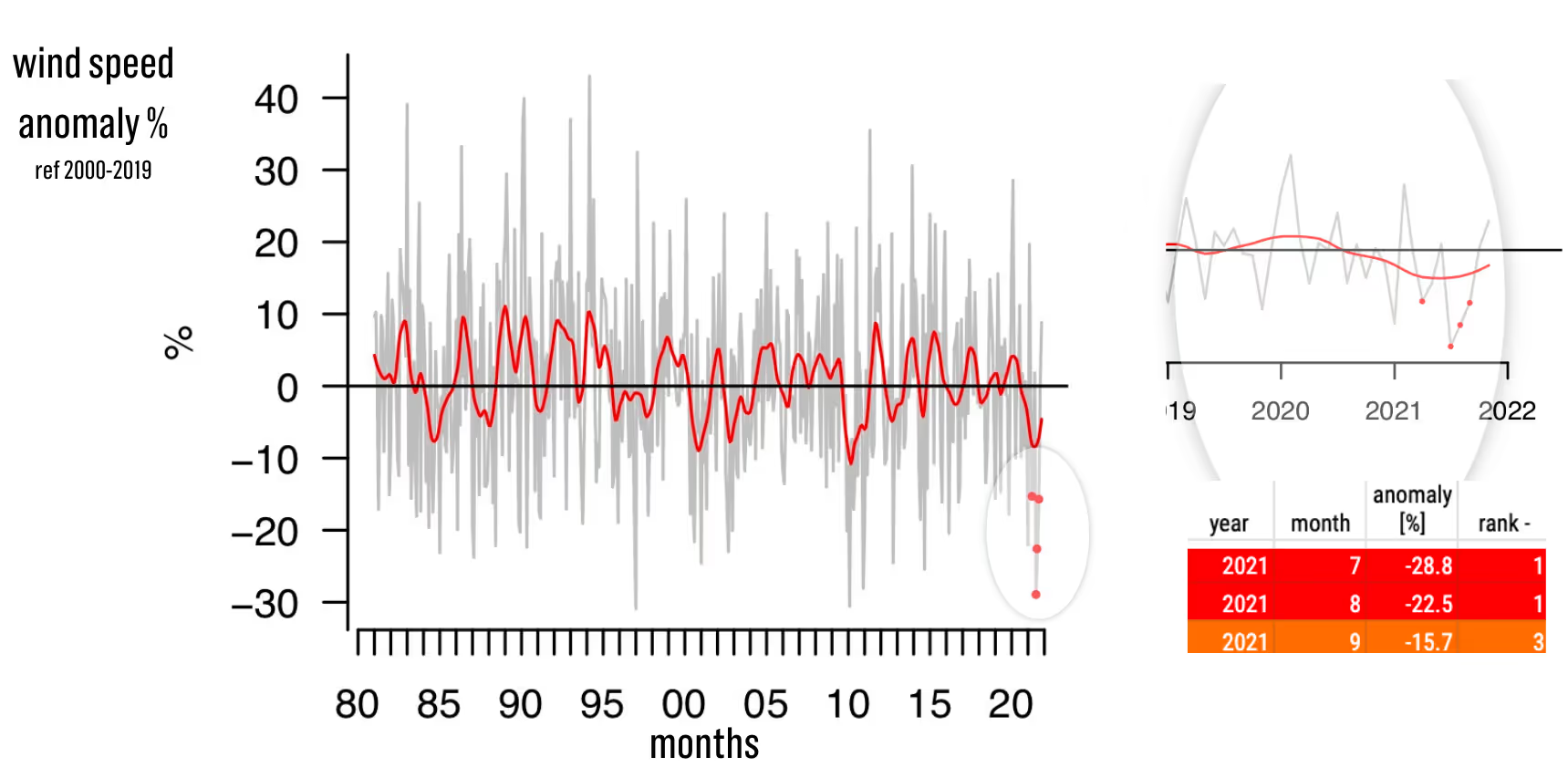
Rare 12-months low windspeed events (Probability <2%) during 2020–2024. Based on the 2000–2019 climatology.

The challenge: when is a “bad” wind year actually exceptional?

Let’s focus on a wind farm project in the APAC region.

The project owner had observed several years of lower than expected wind conditions, with one low-wind winter standing out as particularly damaging for energy production. The company requested a climate-informed wind resource assessment to understand:

  • Whether the recent low-wind year fell within climate variability or represented an exceptional event.
  • Which large-scale atmospheric and oceanic climate drivers were associated with low-wind seasons in the region.
  • Whether similar wind anomalies could recur more frequently under future climate change scenarios.
  • How to interpret future low-wind risk without overreacting to a single season.


This analysis was essential for revisiting energy yield assessments (EYA), refining financial risk models and communicating performance expectations to C-level and investors.


Climate Scale’s methodology: from wind anomalies to climate diagnostics powered by Vortex FdC

Climate Scale combines independent datasets and advanced climate diagnostics to deliver robust wind resource assessments for wind farms across different regions and climate regimes.

Understanding historical wind variability

Multi-source historical wind reconstruction

Several reanalysis datasets, high-resolution time series and nearby meteorological observations are compared to reconstruct long-term hub-height wind variability at the project site.

By analysing correlations, trends and consistency between datasets, Climate Scale identifies the most reliable sources to characterise local wind climatology and historical wind anomalies.

Wind climatology and anomaly assessment

Using the selected long-term datasets, Climate Scale evaluates the site’s historical wind climate and determines whether the observed low-wind year represents a statistically significant anomaly or falls within expected year-to-year variability.

This allows project stakeholders to better contextualise low-wind seasons and quantify their potential impact on long-term asset performance.

Large-scale climate pattern diagnostics

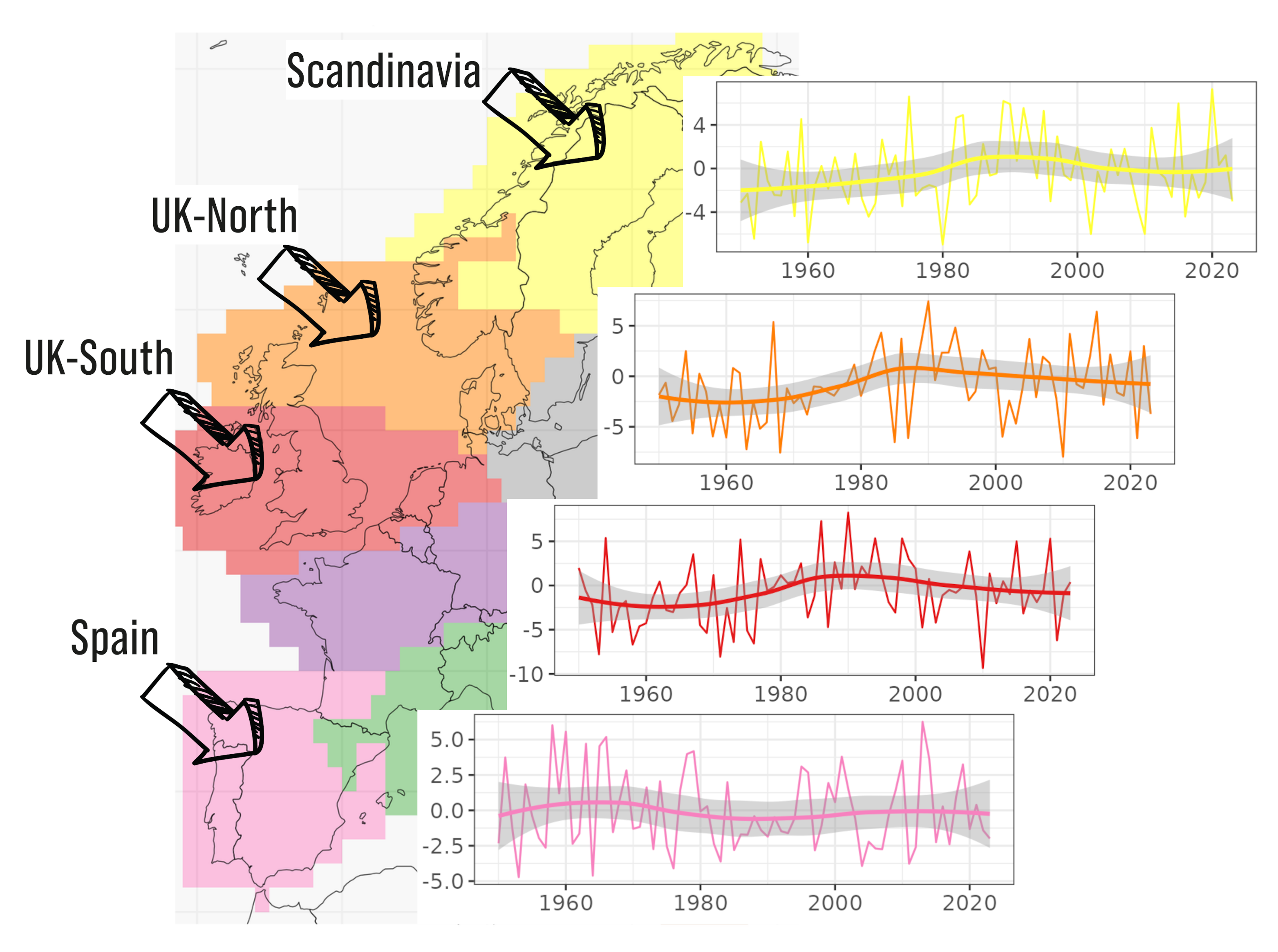
To understand whether observed wind anomalies are isolated events, part of regional decadal variability or linked to long-term climate change, Climate Scale analyses large-scale atmospheric circulation patterns and teleconnections.

Climate drivers such as:

  • El Niño–Southern Oscillation (ENSO)
  • Pacific Decadal Oscillation (PDO)
  • East Asian Monsoon
  • North Atlantic Oscillation (NAO)

can strongly influence regional wind conditions and low-wind winters across different parts of the world.

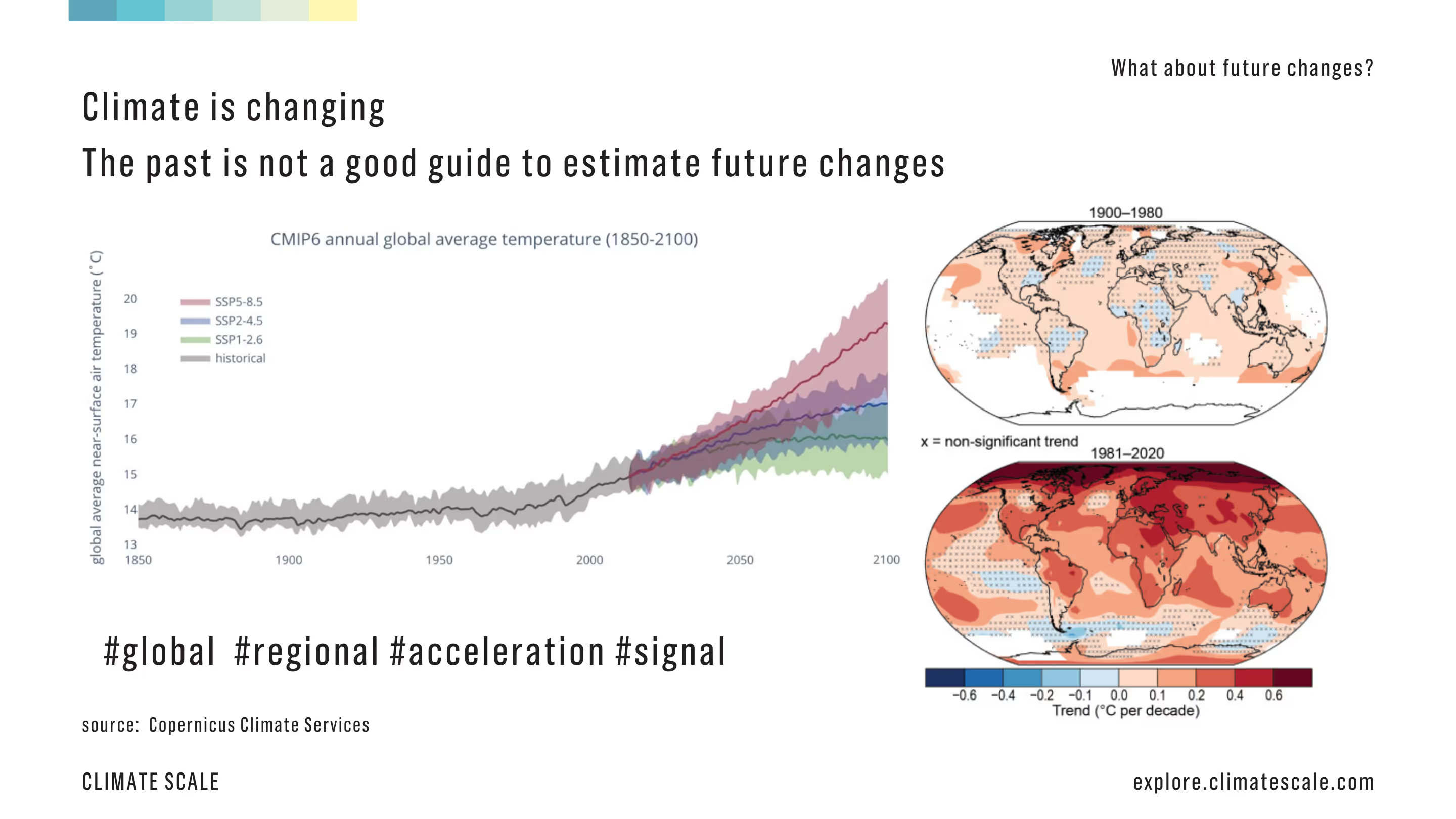
Understanding these climate drivers is critical for anticipating future wind variability and improving climate risk assessments for wind projects.

Similar questions around low-wind conditions, internal variability and climate change were explored by Climate Scale experts Dr. Ana Lopez, Dr. Gil Lizcano and Dr. Kai Lochbihler during WindTech 2025.


Projecting future wind conditions under climate change – powered by high resolution Vortex FdC data

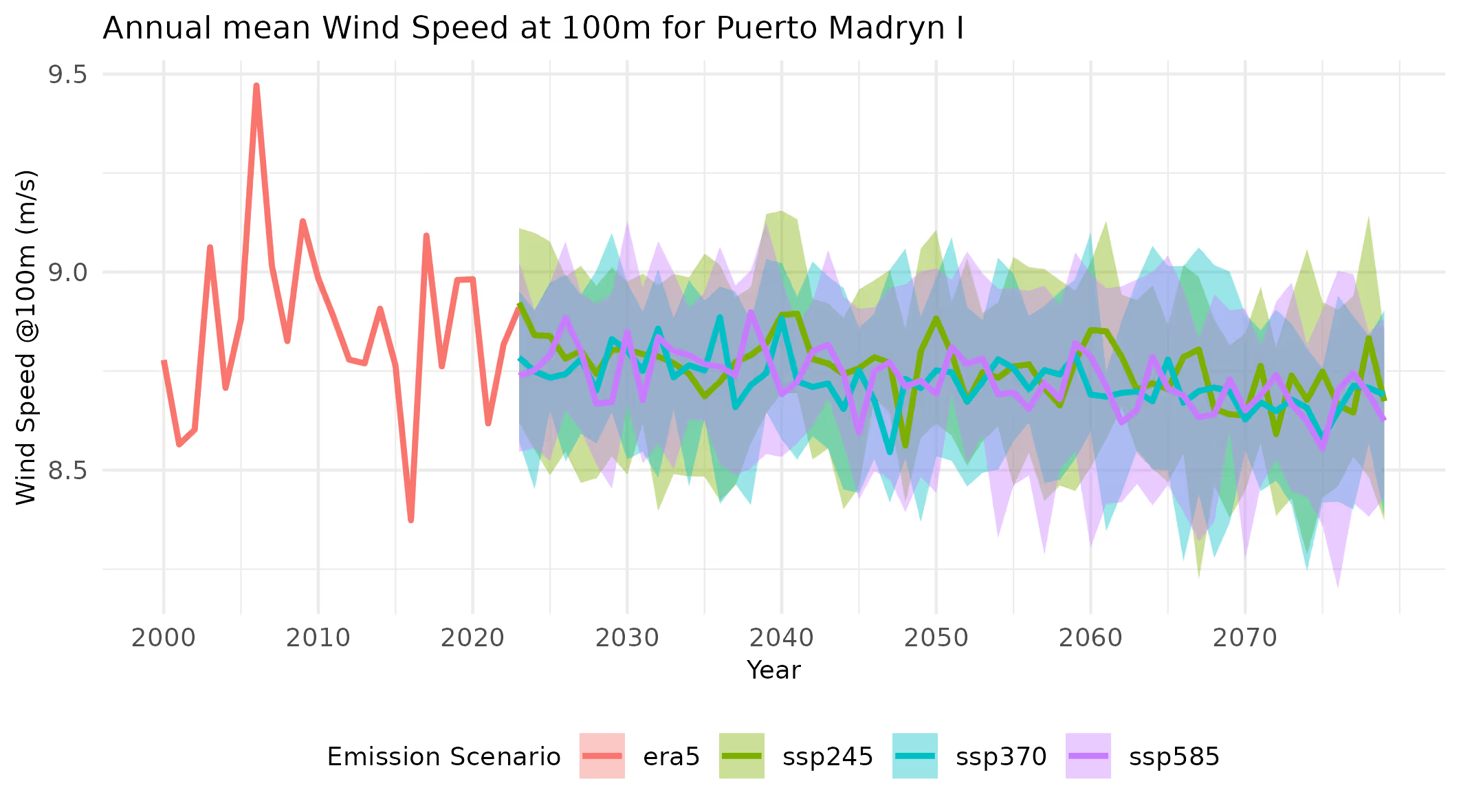
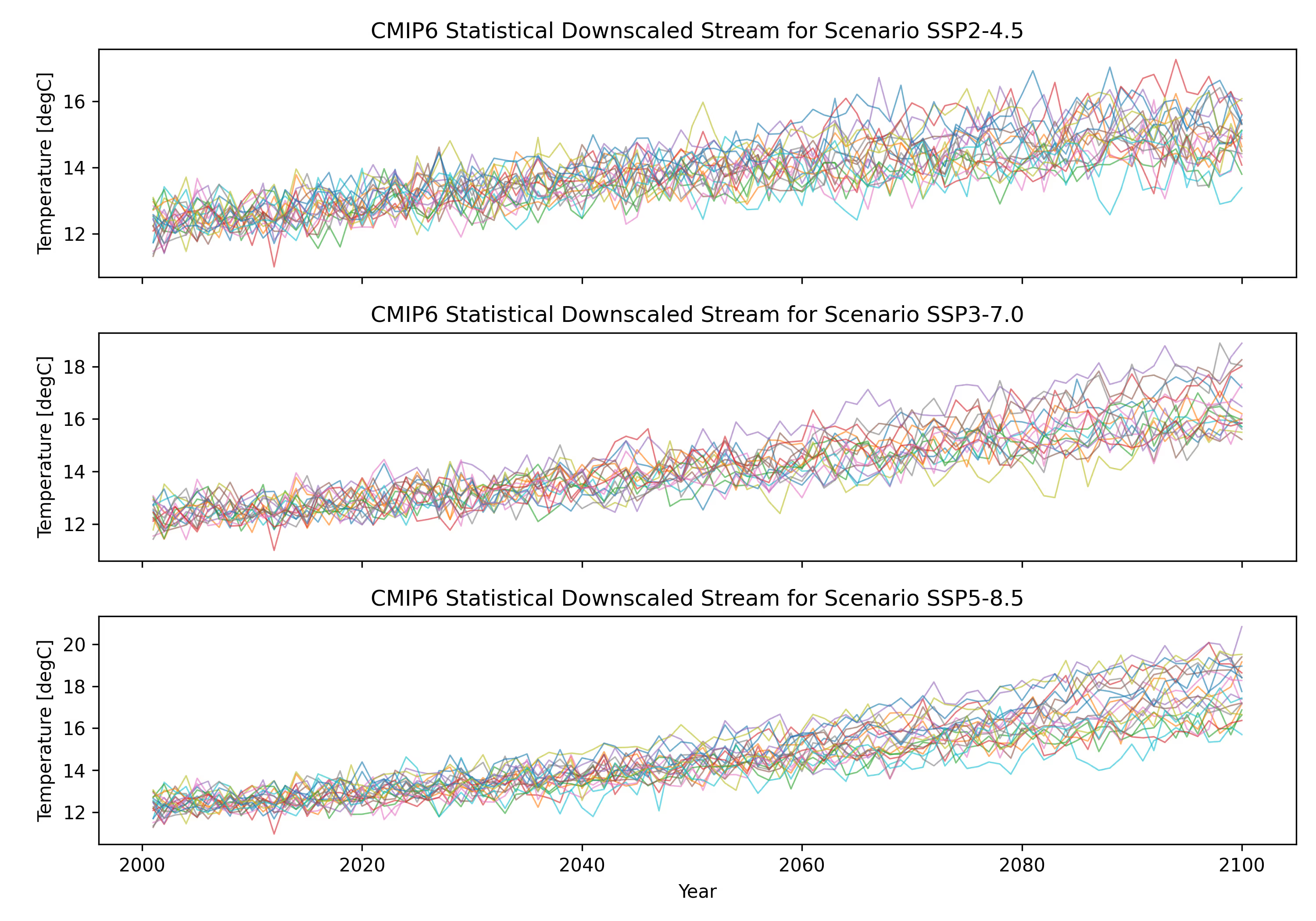
Climate Scale also evaluates how wind conditions may evolve in future decades using an ensemble of downscaled CMIP6 climate models under different Shared Socioeconomic Pathway (SSP) scenarios.

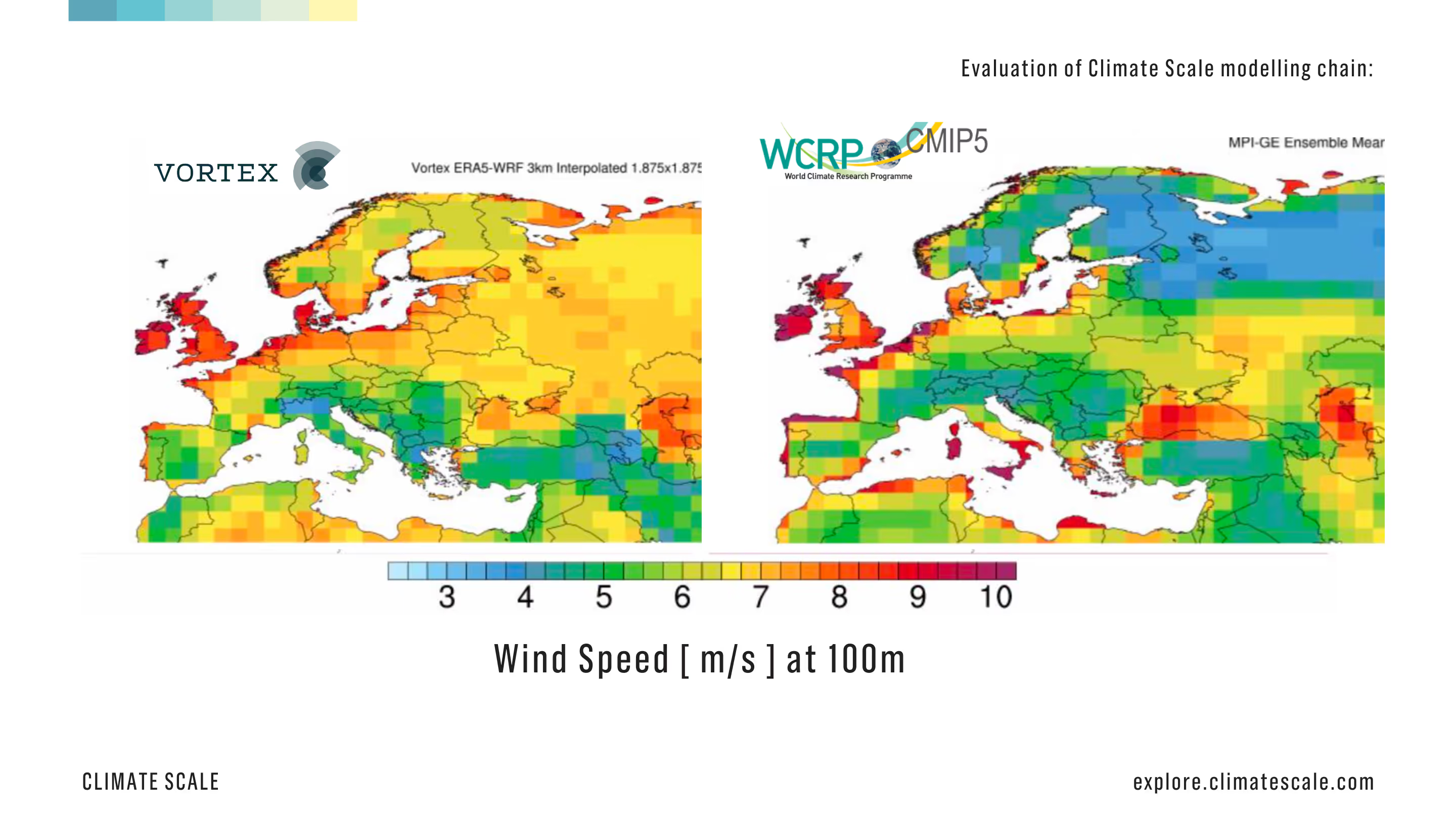
Through statistical downscaling techniques, coarse-resolution global climate projections are translated into local hub-height wind conditions while preserving the climate-change signal from the original models. Climate Scale leverages high-resolution wind resource data from reference company Vortex FdC to calibrate and downscale Global Climate Models (GCMs), enhancing the accuracy and reliability of wind projections for renewable energy applications.

This integrated framework connects:

  • local wind anomalies,
  • regional atmospheric circulation patterns,
  • and global climate projections

into a single climate-informed workflow for assessing future wind resource uncertainty and climate risk for wind farms.
Key insights for wind resource assessment

Analyses across multiple regions show that detailed, site-specific climate diagnostics are essential to properly understand low-wind years and future climate-related wind risk.

Generic assumptions about “bad wind years” or simplistic trend extrapolations are often insufficient — and can even be misleading — when evaluating long-term wind resource variability.

Robust wind resource assessments require:

  • long-term climate diagnostics,
  • multiple independent datasets,
  • understanding of climate drivers,
  • and future climate projections.

This is increasingly important as climate change introduces additional uncertainty into long-term wind farm performance assessments.


Business value: climate-aware wind diagnostics for wind projects

Climate Scale’s methodology provides:

A rigorous assessment of low-wind years

A data-driven evaluation of how unusual recent low-wind periods are, based on multiple independent datasets and lines of evidence. This supports decisions such as revisiting financial assumptions and energy yield projections.

Improved understanding of climate risk

A clearer view of the climate drivers influencing regional wind variability and wind anomalies, helping wind developers and asset managers communicate climate-related risk using science-based evidence.

Future-focused wind resource assessments

A climate-aware perspective on future wind conditions that incorporates long-term trends, internal climate variability and model uncertainty rather than relying solely on historical records.

This approach helps developers, investors and asset managers build more resilient wind project strategies under climate change.

These topics were further explored by Climate Scale experts Dr. Ana Lopez, Dr. Gil Lizcano and Dr. Kai Lochbihler during their WindTech 2025 presentation on low-wind conditions, internal climate variability and climate change.
 

Frequently asked questions

What causes low-wind years?

Low-wind years can result from natural climate variability, large-scale atmospheric circulation patterns or longer-term climate change trends. Regional climate drivers such as ENSO or PDO can significantly influence seasonal wind conditions.

Can climate change affect wind farm performance?

Yes. Climate change may alter long-term wind patterns, seasonal variability and the frequency of low-wind events, potentially affecting wind farm energy production and financial performance.

Why are climate diagnostics important for wind resource assessments?

Climate diagnostics help distinguish between normal climate variability and structural long-term changes. This improves risk assessment, energy yield modelling and investment decision-making for wind projects.

How can wind anomalies be assessed?

Wind anomalies are typically analysed using long-term historical datasets, reanalysis products, climate change diagnostics and statistical comparisons against historical climatology.

184.6
mm/1hour
771.8
mm/24 hours

Share the word

Download the PDF report

Enter your email and we will send you a PDF deep dive with a selection of case studies that show the benefits of ClimateScale for your business revenue

Thank you! Your submission has been received!
Oops! Something went wrong while submitting the form.
By subscribing you agree to with our Privacy Policy and provide consent to receive updates from our company.

More expert resources

News
2
min read

Bridging the gap between coastal flood research and climate services applications

From December 2022 to November 2025, Climate Scale participated as industrial partner in MyFlood (Multi-scale Hybrid short-term predictions and climate change projections systems for compound FLOODing), a research project funded by the Spanish Ministry of Science and Innovation (MCIN/AEI) and the European Union through the NextGenerationEU/PRTR programme.
Future Climate
3
min read

ENERGY+ Webinar

We're hosting a live, interactive webinar to go beyond the launch of ENERGY+! Join our experts for a detailed look at the advanced technology behind our new wind data product, a practical case study on its implementation, and a live Q&A on long-term wind resource variability and EYA.
Future Climate
6
min read

Introducing ENERGY+

This autumn 2025, Climate Scale releases its new, highly specific product: ENERGY+. This dataset provides 6-hourly wind projections at selected hub heights, powered by the latest CMIP6 climate models and calibrated with 40 years of high-resolution Vortex data.
News
2
min read

Climate Change Session at @WindTech2025

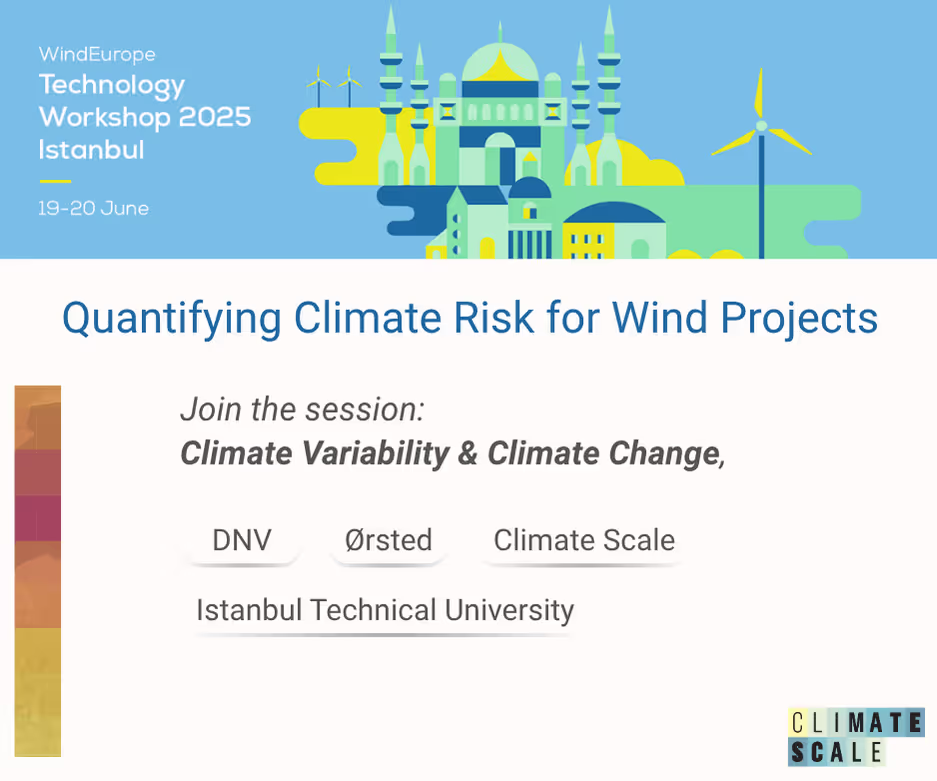
Climate Scale will participate in WindEurope’s 2025 Technology Workshop in Istanbul, contributing to a key session on climate change and wind energy. Our Co-Founder, Dr. Ana Lopez, joins experts from DNV, Ørsted, and Istanbul Technical University to discuss the scientific drivers of low wind periods and future climate risks.
News
2
min read

Climate Scale Heads to India for Climate Risk Workshops

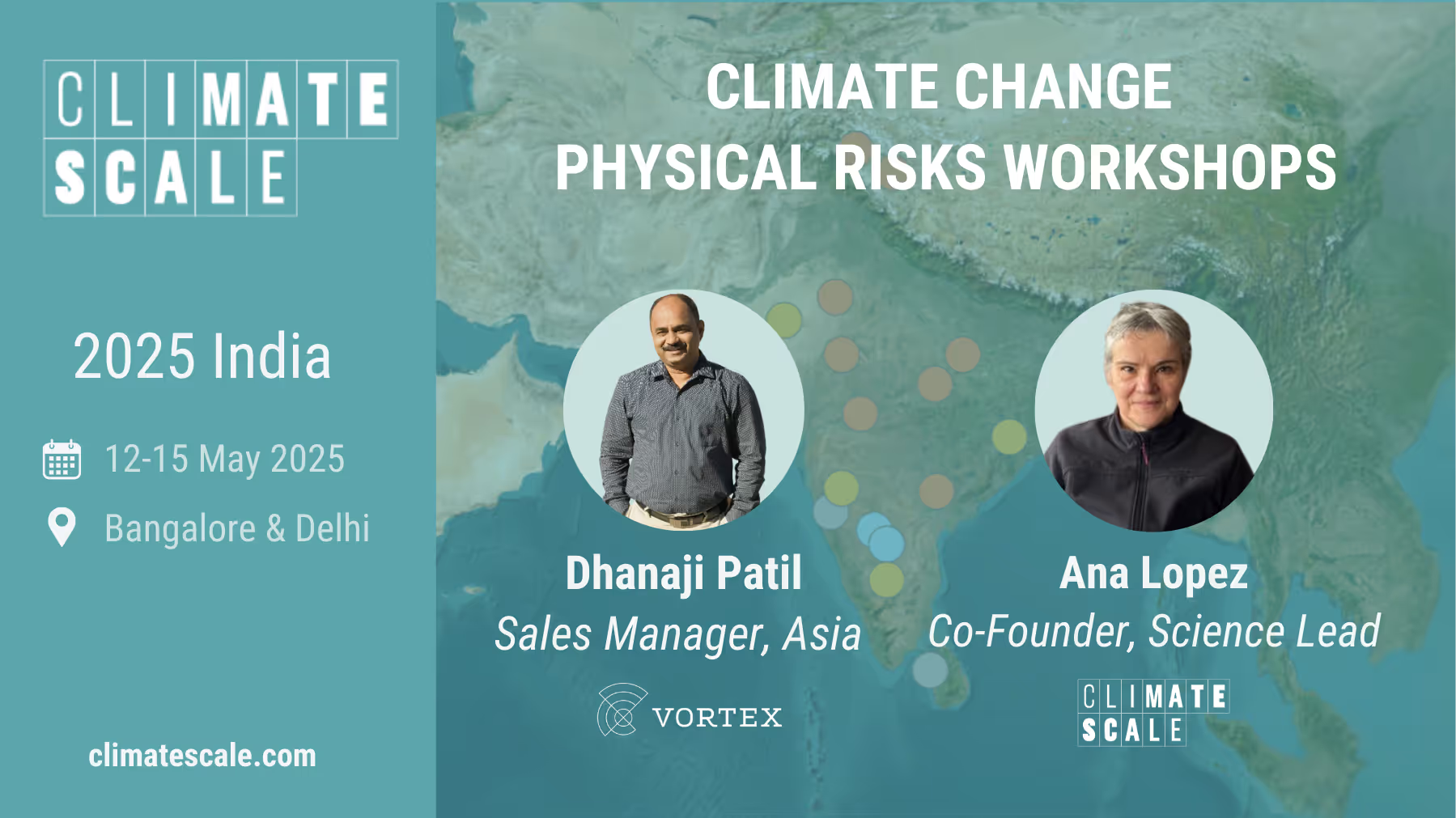
We’re excited to announce a new series of workshops in India! Dr Ana Lopez, Co-Founder and Science Lead at Climate Scale, will share insights on climate change risks, sustainability disclosures, and sectoral impacts.
Videos
1
min read

Webinar Repository: Rewatch and Learn

Missed one of our webinars? Now you can revisit all Climate Scale sessions through our new Webinar Repository. Just fill out a short form and get access to recordings and resources.
News
2
min read

ICCI 2025: Meet Us at Vortex’s Booth to Explore Climate Risk Insights

Climate Scale and Vortex will be at ICCI 2025 in Istanbul! Join us at Hall 1 – A08 to connect with our specialists, explore high-resolution climate data, and book a free technical session focused on understanding climate risks to your energy infrastructure.
Risk
3
min read

Webinar | Are Recent Wind Anomalies Signals of Our Future Climate?

Join our upcoming webinar to explore whether recent wind anomalies are early signs of long-term climate trends. Learn best practices for integrating climate projections, managing uncertainty, and communicating risks—essential insights for developers, analysts, and sustainability leaders.
News
3
min read

Meet Climate Scale at Wind Europe Annual 2025: Let’s Talk Climate Risks for Wind Assets

Climate Scale will be attending the Wind Europe Annual Event 2025 in Copenhagen, April 8-10. Visit us to dive into climate risks for wind assets and join our stand party. Book your time slot to connect with us directly!
Future Climate
6
min read

Poleward shifting of storm tracks and its impact on wind resource in Patagonia

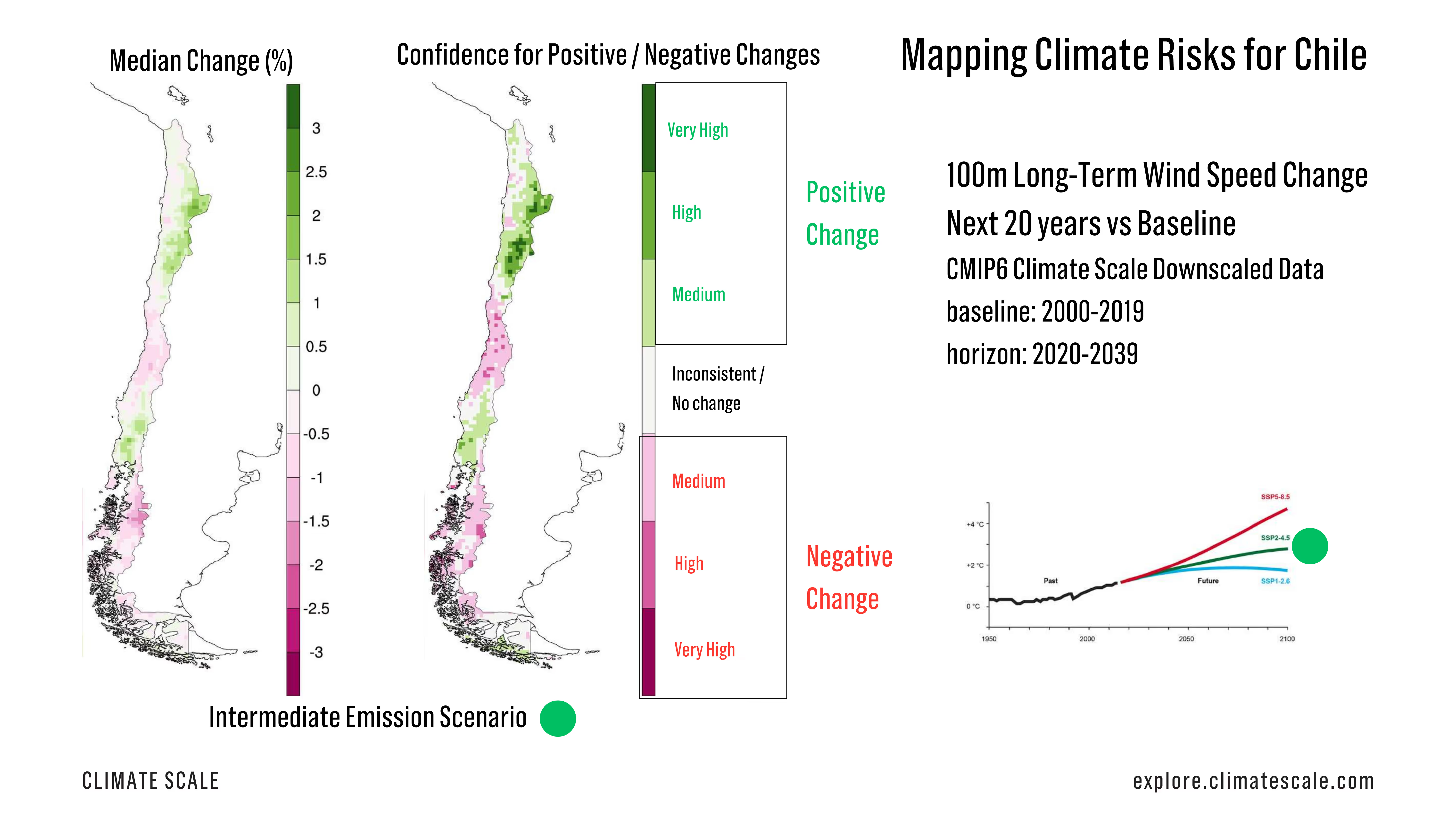
Climate change is altering wind patterns in Patagonia, with storm tracks shifting southward over recent decades. This trend is reducing wind speeds in central and northern Patagonia (40°S-50°S) while increasing them further south. As a result, wind energy projects, may experience lower wind resources in the future. Understanding these trends is crucial for future wind farm planning and investment.
Risk
7
min read

Torrential Flooding in Spain: Is Climate Change Amplifying DANA Events?

Spain recently experienced catastrophic flooding due to a powerful Isolated Depression at High Levels, or DANA in Spanish. What role does human-driven global warming play in such extreme events? This article highlights recent studies on changes in extreme precipitation across the Mediterranean and explores preliminary findings on how global warming may be intensifying these events.
News
2
min read

Climate Scale is a #ESGFinTech100 Company

Climate Scale has been chosen to be part of the #ESGFINTech100 list, with the world's most innovative ESG Tech Companies for Financial Services.
Videos
1
min read

Análisis de Riesgos del Cambio Climático en Zonas con Potencial Eólico y Solar en Chile

Ana Lopez, participó en la II Conferencia Técnica de Recurso Eólico en Chile, presentando Análisis de riesgos del cambio climático en zonas con potencial eólico y solar en Chile.
Videos
1
min read

Climate Risk Analysis: Why, What, and How

Ana Lopez introduces "Climate Change Risk Reporting in the Wind Energy Sector" at Wind Energy Hamburg 2022.
Videos
1
min read

Introduction to Climate Models and a Few other Bits | Part II

Watch Gil Lizcano’s part two presentation at the "Climate Change Risk Reporting in the Wind Sector" session, a side event at Wind Energy Hamburg 2022.
Energy
7
min read

Driving Forces of Wind Resources in a Changing Climate

Wind resource assessments typically focus on specific sites, but delivering reliable and actionable climate data requires a broader perspective. Join us as we explore the large-scale drivers shaping future shifts in wind resources.
Future Climate
8
min read

Rising Nighttime Temperatures in Córdoba: A Growing Climate Challenge

Our data reveals the projected increase in hot nights in Córdoba, Spain, under various climate scenarios up to a century ahead. This case study highlights the potential impacts on human health and comfort, emphasising the importance of climate data for adaptation planning.
Energy
3
min read

Can Past Events Predict the Impact of Low Wind on Energy Supply?

At the 2022 Wind Technology Conference, we presented an analysis of the 2021 wind drought across the UK and Western Europe, examining its connections to European circulation patterns and the rapid warming in higher latitudes.
News
2
min read

India-Spain Meet for Wind Energy R&D Cooperation

Wind Energy India is coming up soon in Chennai, where our Co-Founder, Gil Lizcano, will represent Climate Scale at the ‘India-Spain Meet for Wind Energy R&D Cooperation’ seminar, organised by CDTI Innovación.
Videos
1
min read

Introduction to Climate Models and a Few Other Bits | Part I

Watch Gil Lizcano’s part one presentation at the "Climate Change Risk Reporting in the Wind Sector" session, a side event at Wind Energy Hamburg 2022.