
Bridging Climate Science and Offshore Wind Energy: Climate Scale in CE4WIND
Multiscale climate emulator for analyzing climate change impacts and compound extreme events in the offshore wind sector.
What is CE4WIND?
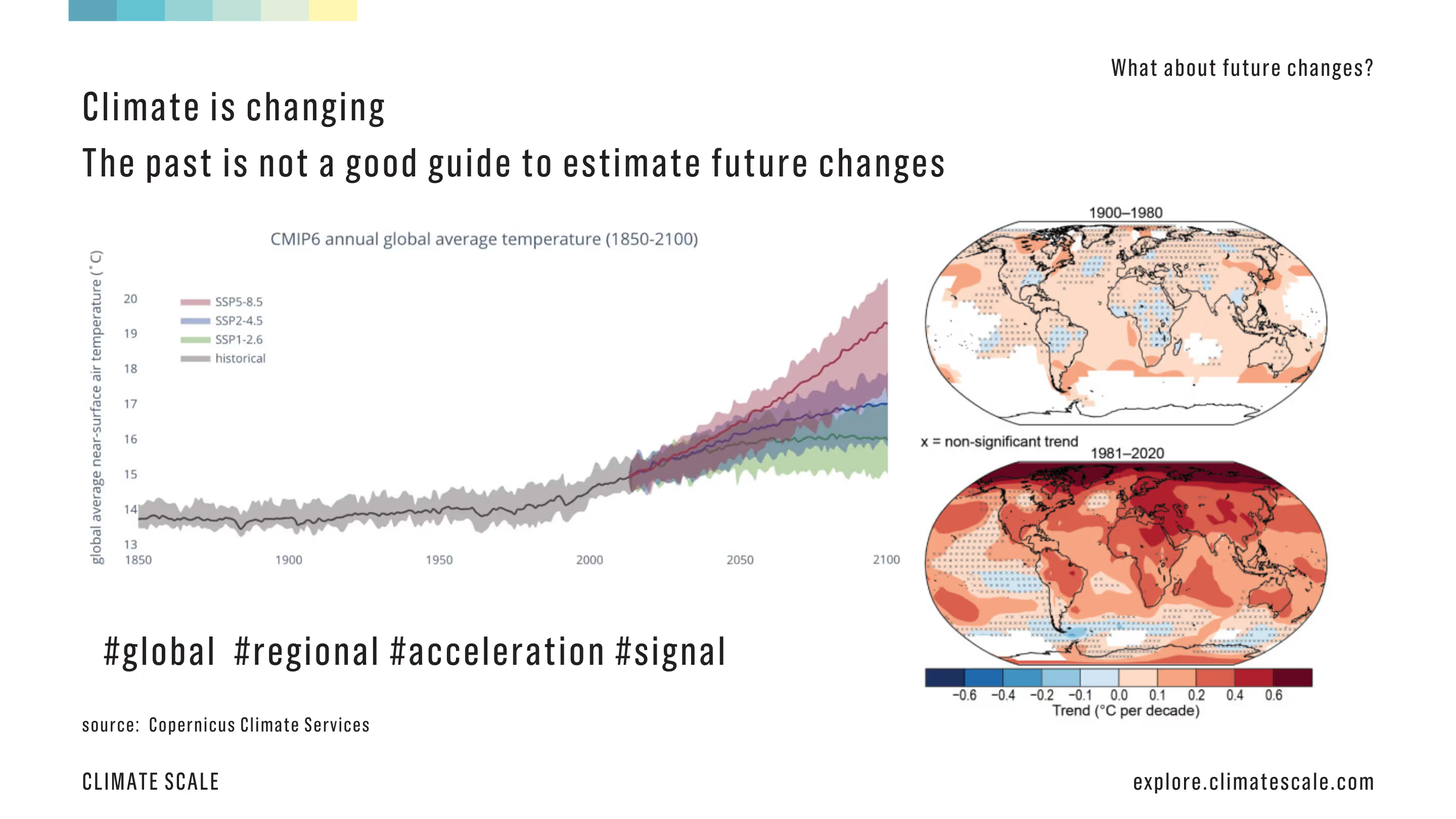
Offshore wind infrastructure is exposed to compound extreme events resulting from the simultaneous interaction of multiple oceanographic and atmospheric drivers, such as extreme waves, wind, currents, tides, storm surges, and tropical or extratropical cyclones. The co-occurrence of these physical drivers can significantly amplify physical risks and structural loads on marine platforms. As climate change modifies the frequency, intensity, and seasonality of atmospheric patterns, precise characterization of these compound extreme events is critical for long-term offshore energy sustainability.
Traditional engineering design approaches rely on fitting extreme value distributions to relatively short historical observation records. This approach fails to capture unobserved combinations of co-occurring extreme events and cannot adequately account for how extreme regimes will evolve under future greenhouse gas emission scenarios.
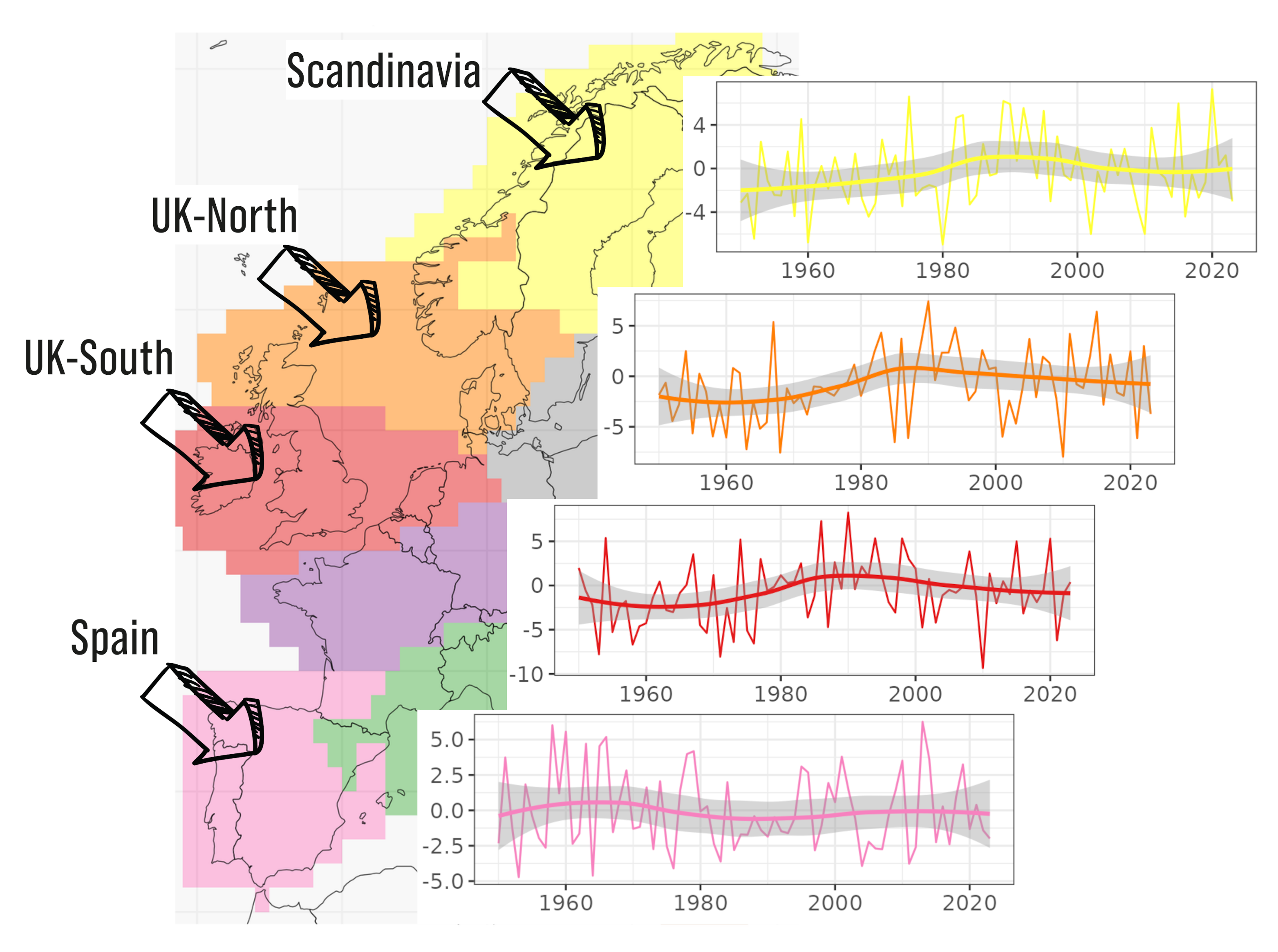
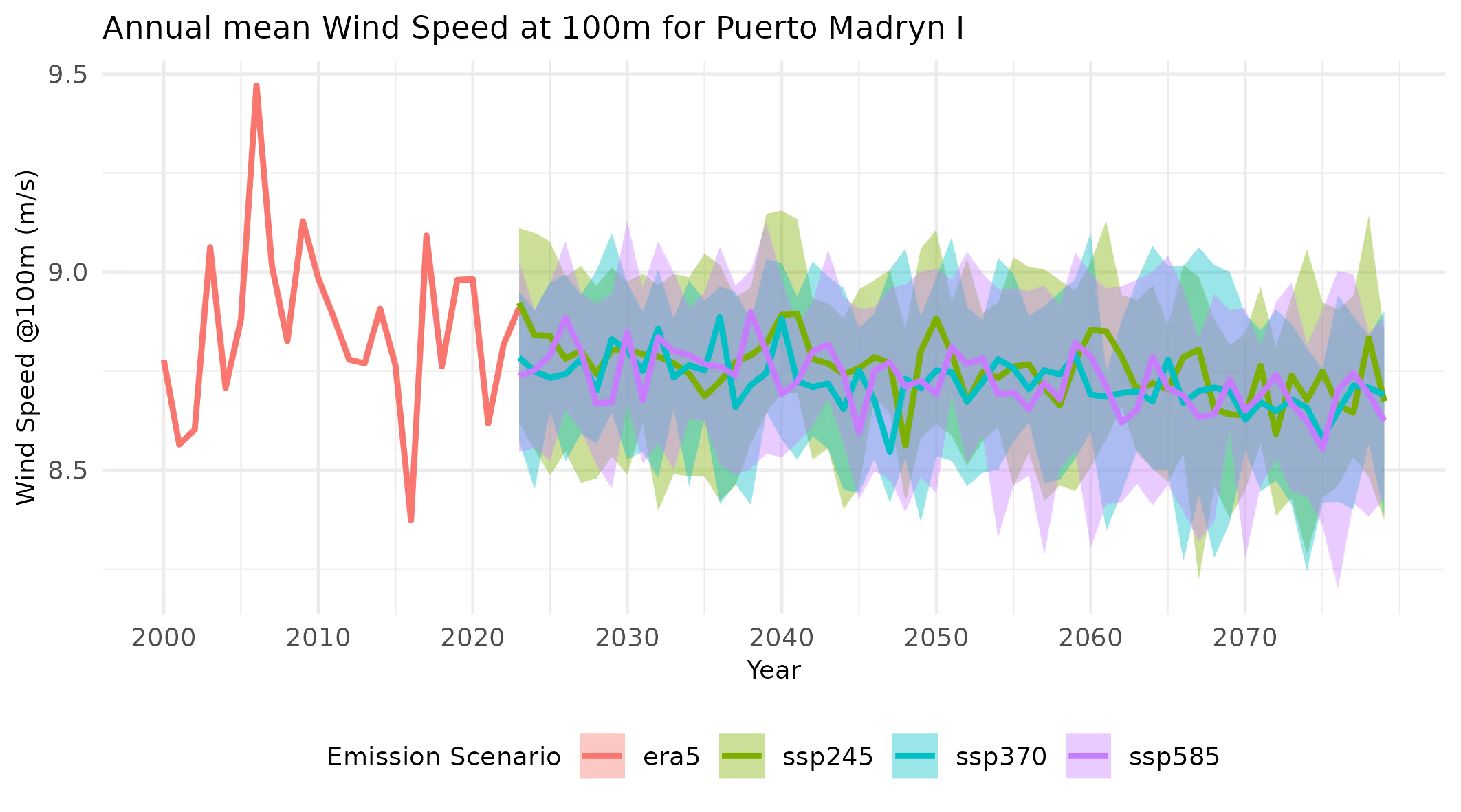
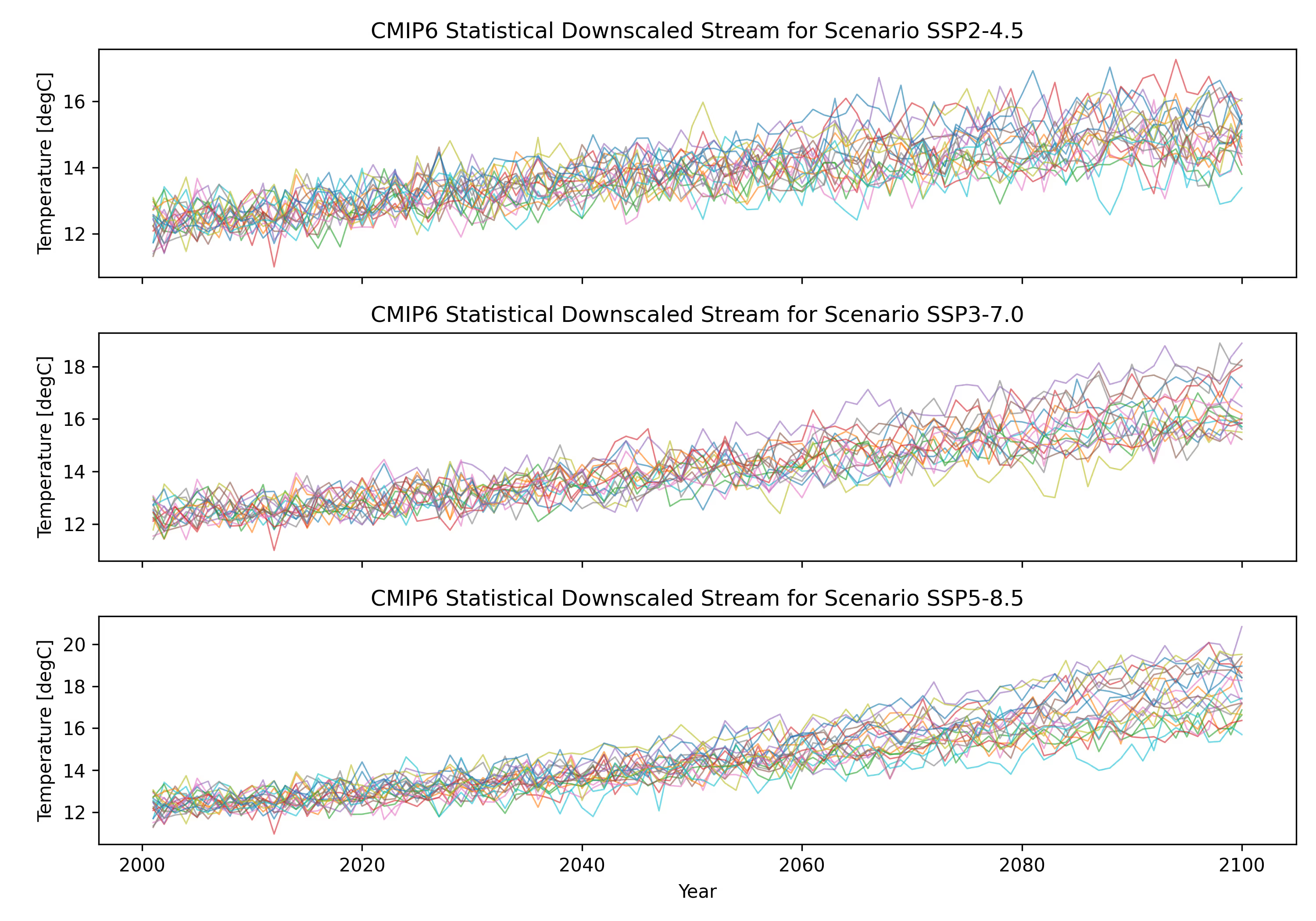
The CE4WIND project addresses these challenges by developing a multiscale climate emulator (TESLA+). The emulator stochastically simulates the evolution of wind, waves, and other oceanographic variables across short- and long -term time scales, including interannual climate variability and CMIP6 climate change projections, to generate synthetic series spanning thousands of years for comprehensive probabilistic physical risk assessments.
The Consortium
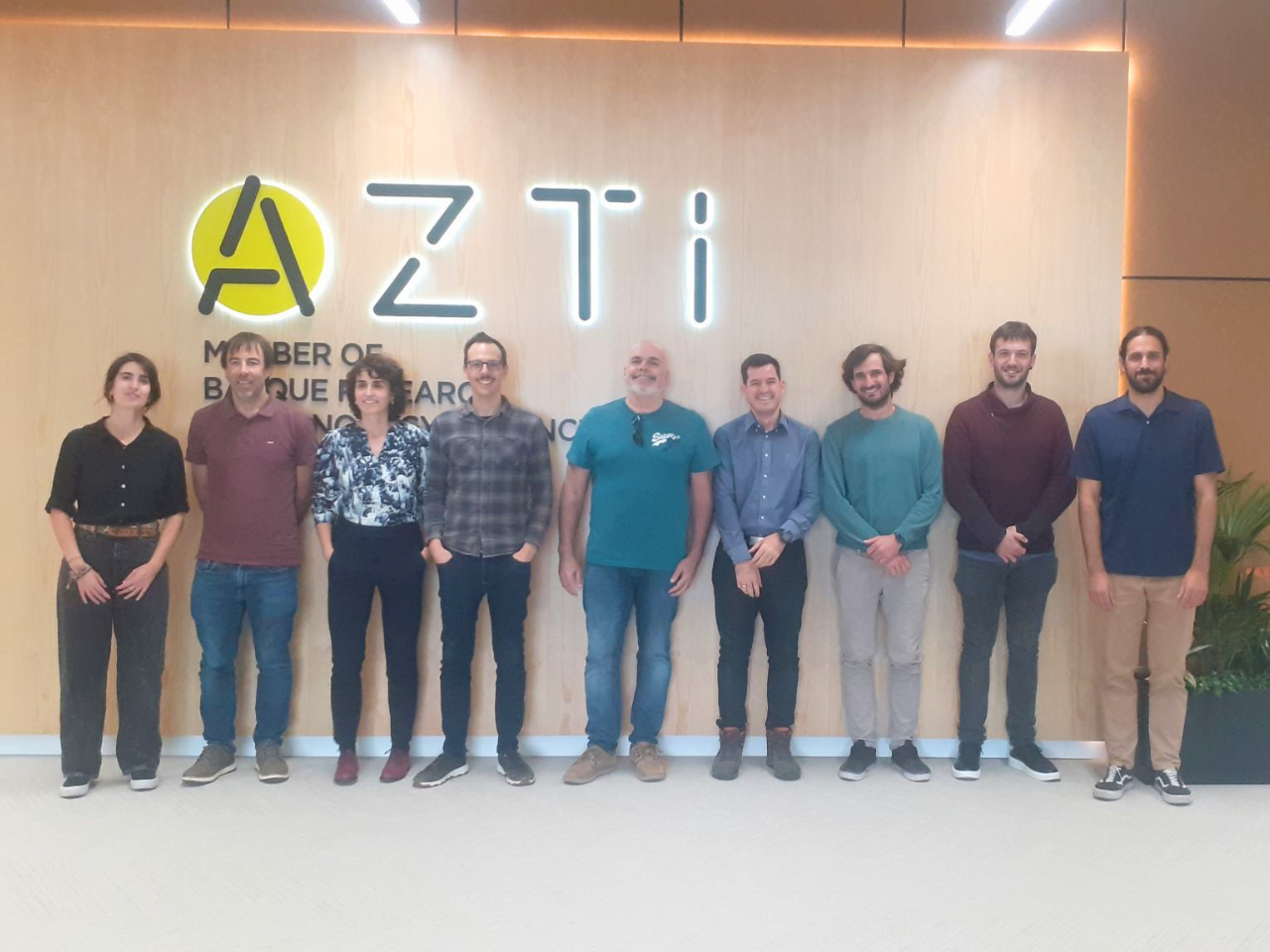
Public-Private Collaboration
The CE4WIND project was executed as a public-private partnership led by Climate Scale as the industrial partner and the Geomatics and Oceanographic Engineering Group (GeoOcean) at the University of Cantabria (UC) as the scientific lead.
The Four Project Objectives
1. Multiscale Climate Emulator (TESLA+)
Generate multivariate synthetic time series spanning thousands of years for waves, wind, and currents by integrating global climate predictors (sea level pressure and sea surface temperature), interannual climate variability, seasonality, and future trends under CMIP6 emission scenarios.
2. Hybrid Downscaling Methodologies
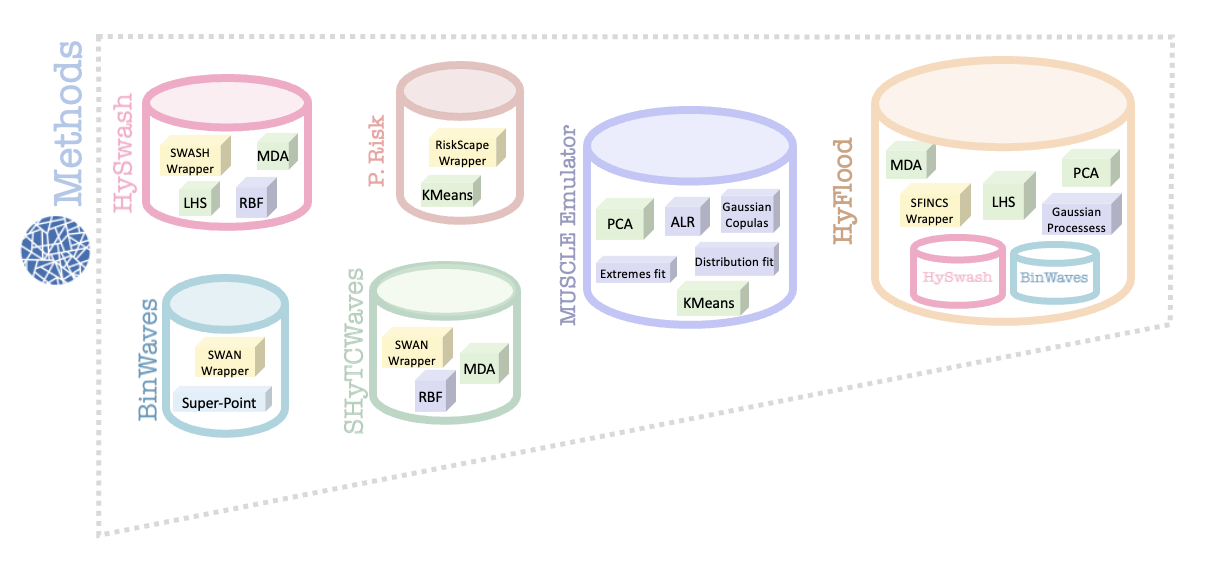
Combine numerical modeling with machine learning techniques to transfer large-scale atmospheric forcing to high local resolutions using spatial predictands, vector autoregressive (VAR) models, and specialized tools like BinWaves, SHyTCWaves, GreenSurge, and HyWind developed by the GeoOcean group..
3. Methodological Transferability
Implement and validate the framework along the Spanish Atlantic coastline (Galicia and Cantabria) as demonstration cases, while confirming its technical adaptability to diverse global ocean basins, including the Atlantic and Pacific oceans.
4. Platform Integration & Open Science (BlueMath)
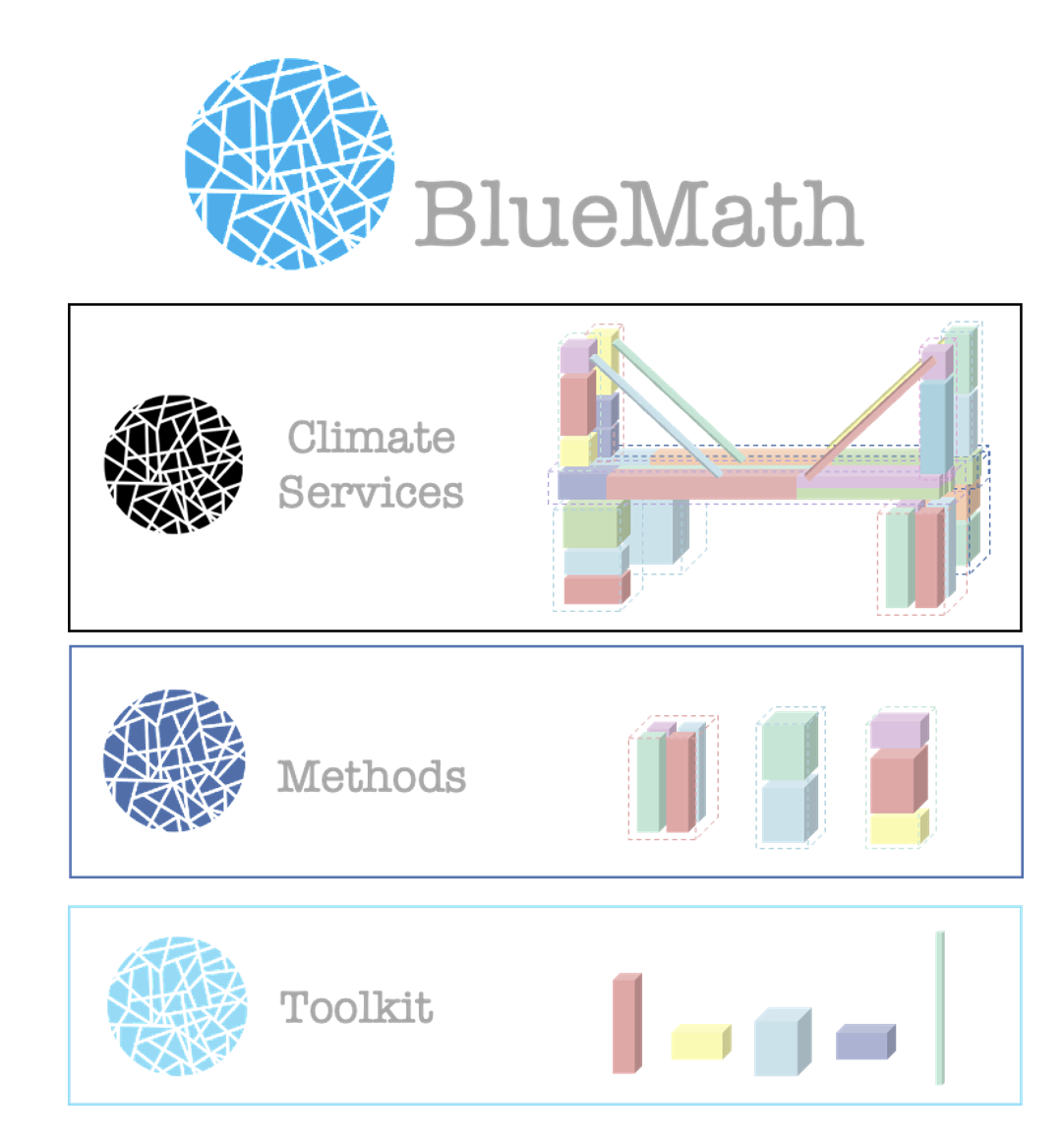
Deploy climate emulators and hybrid downscaling tools into Climate Scale’s cloud computing operational infrastructure, and structure open-source Python tools within the BlueMath framework to facilitate technology transfer.
Real-World Applications
Enhancing the REPORT Product
As a direct outcome of CE4WIND, Climate Scale integrated climate emulator capabilities into its on-demand computing platform. This integration enhances the REPORT product, used for preliminary climate risk screening across asset portfolios, by generating wave and wind return period statistics across an expanded ensemble of global climate models and emission scenarios to better characterize climate projection uncertainties.
New Capabilities for Specialised Consulting
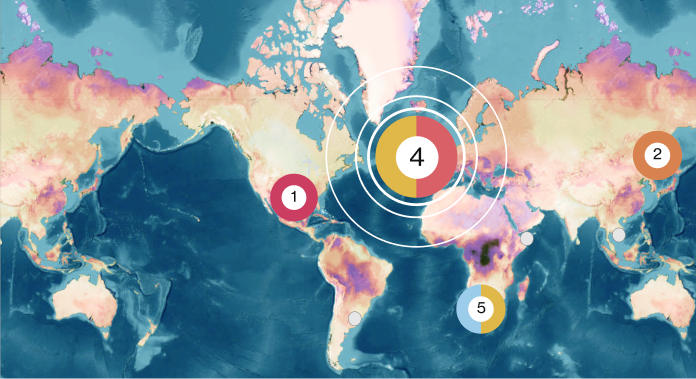
For clients requiring customized risk evaluations, the developed emulation and downscaling methodologies were added to Climate Scale’s specialized consulting services. These tools are currently applied to assess climate change impacts on extreme wave and wind events for offshore wind farm developments in key markets such as the North Sea, Baltic Sea, and the US East Coast.
Consolidation of BlueMath and Science Transfer
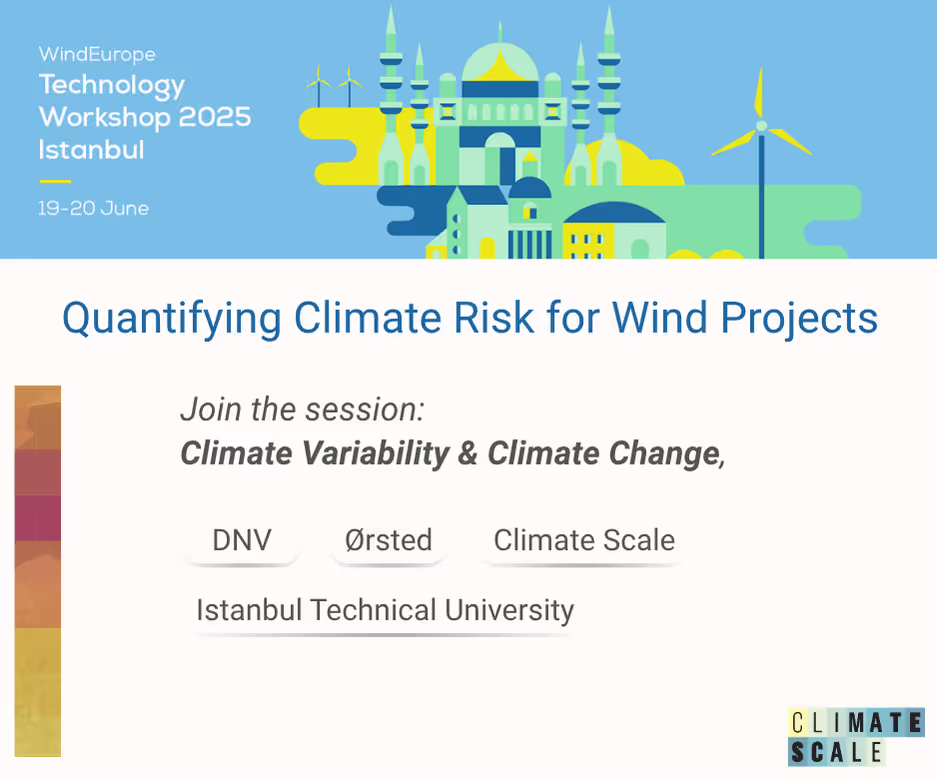
A primary achievement of the project was consolidating BlueMath, an open-source GitHub framework (BlueMath-tk) containing statistical, numerical, and hybrid modeling tools. BlueMath served as the main vehicle for knowledge transfer between the University of Cantabria and Climate Scale, supported by specialized training courses conducted in 2024 and 2025 and international dissemination at events such as the WindEurope Technology Workshop.
Funding
C4Wind is funded under the Public–Private Collaboration Projects Call 20223, within the Spanish National Plan for Scientific, Technical and Innovation Research 2021–2023. The project is supported by the Recovery, Transformation and Resilience Plan of Spain (Component 17).
This publication is part of the project CPP2022-010118 (CE4Wind), financed by MICIU/AEI/10.13039/501100011033 and the European Union though the NextGenerationEU programme.
(CPP2022-010118, CE4WIND- Emulador climático para el análisis de los impactos del cambio y la variabilidad climática en eventos extremos compuestos:aplicación al sector eólico marino)
Interested in applying climate science to offshore wind risk assessments? Explore Climate Scale’s REPORT product or our specialised climate risk consulting services.
Share the word


.jpg)




.avif)