What This Summer's Extreme Weather Is Really Telling Us
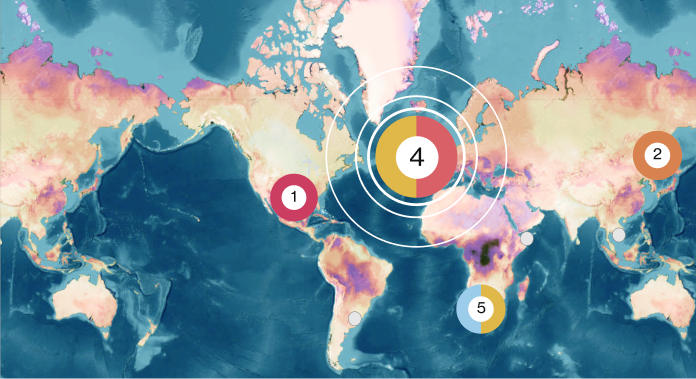
Extreme weather is becoming a more familiar feature of a changing climate and a growing consideration for long-term risk.
.jpg)
From record-breaking heat in western Europe to unprecedented ocean temperatures, widespread wildfires and extreme rainfall, the summer of 2026 has produced no shortage of climate headlines. The signals are global, while the hazards and their impacts vary from region to region.
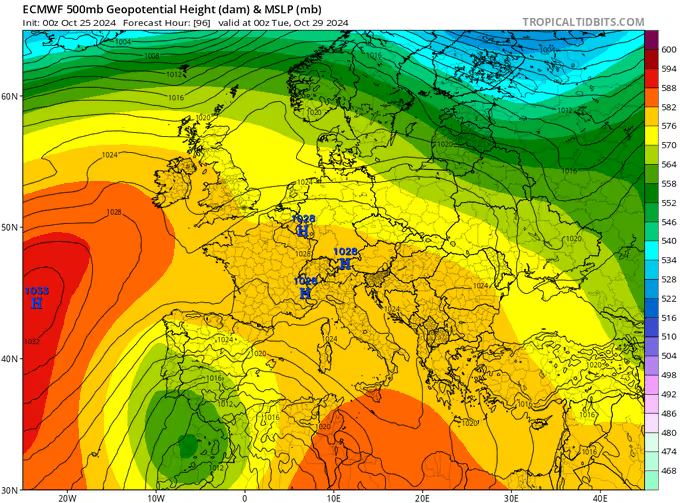
Copernicus confirmed that June and July 2026 were the hottest such period on record in western Europe, with average temperatures 2.79°C above the 1991–2020 average. On 22 August, global extra-polar ocean surface temperatures reached a new daily record of 21.1°C, surpassing the previous record set in 2024. Meanwhile, an estimated 112.3 million hectares had burned worldwide by early August, highlighting the extraordinary scale of wildfire activity this year.
Extreme rainfall has also brought severe impacts in several parts of the world. In China, Typhoon Dolphin produced record-breaking rainfall, with 13 weather stations registering new daily precipitation records, including 438 mm in Taizhou. The storm's exceptional rainfall capacity has been linked by scientists to a warmer, moister atmosphere, illustrating how a changing climate can influence the intensity of individual weather events.
Different regions. Different hazards. One common challenge.
Yet together these events point to something larger than a succession of isolated disasters.
The defining climate story of the summer of 2026 is not simply that another temperature record has been broken or another wildfire season has unfolded. It is that extreme weather is becoming an increasingly familiar feature of the conditions in which societies, businesses and infrastructure operate. The headlines capture individual events; taken together, they reveal how exposed modern systems have become to a changing climate.

Looking Beyond Individual Events: Understanding Long-Term Climate Risk
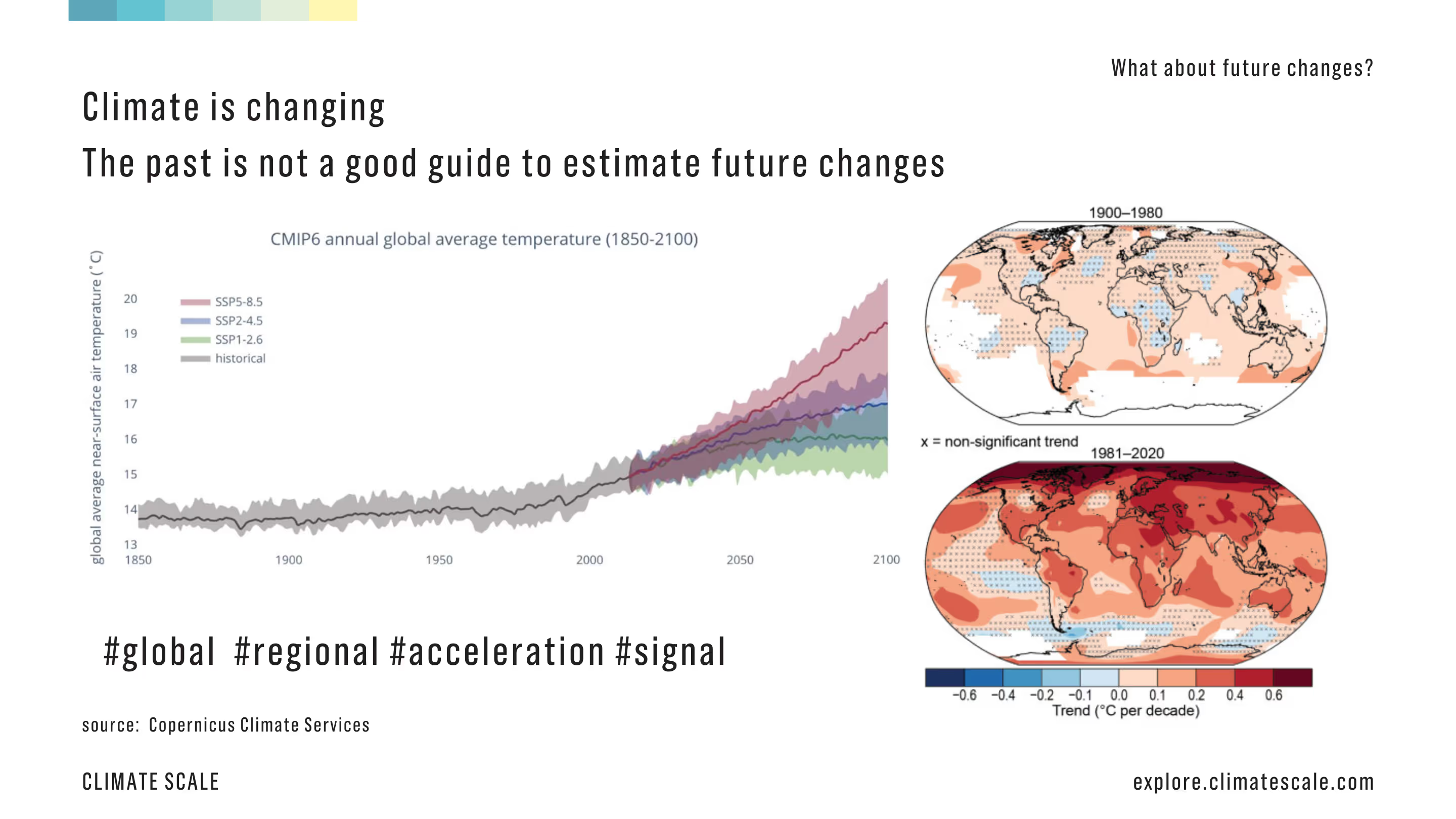
Extreme weather has always been part of Earth's climate system. What has changed is the climatic backdrop against which these events unfold. Across many regions, observations show that some extremes are becoming more frequent, more intense or longer-lasting. The specific hazards vary from place to place, but the broader direction of change is becoming increasingly clear.
More importantly, these events reveal where societies have become vulnerable. Heat, flooding and wildfire expose weaknesses that have accumulated over decades within infrastructure, public services, supply chains and communities. Climate risk therefore emerges not from a single disaster, but from the interaction between evolving climate conditions and systems designed for a different climatic baseline.
Looking beyond individual headlines shifts the question from What happened? to What do these events tell us about the conditions we should be preparing for?
Why Extreme Weather Matters for Long-Term Decision-Making
Infrastructure, supply chains and investments are often designed around historical climate conditions. As those conditions evolve, assumptions that once informed long-term decisions become less reliable. This shift is increasingly reflected in public policy and financial regulation, where organisations are expected to periodically assess how future climate conditions could affect assets, operations and investment over their lifetime.
Understanding physical climate risk is therefore becoming less about predicting the next extreme event than about making better-informed decisions in a changing climate.
What This Summer Doesn't Tell Us About Climate Change
As striking as this summer's headlines have been, they cannot answer the question that inevitably follows every major extreme weather event: Was this caused by climate change?
The answer is more nuanced than a simple yes or no.
A single heatwave, wildfire or flood does not, by itself, prove that the climate is changing. Weather is naturally variable, and extreme events have always occurred. Drawing conclusions from individual events risks confusing short-term variability with long-term climate trends.
This is where attribution science provides a more robust framework. Rather than asking whether climate change caused a particular event, scientists assess whether human-induced warming altered its likelihood or intensity. By combining observational records with climate model simulations, they can estimate how the frequency, duration, severity and probability of extreme events have changed over time.
Viewed through this lens, the significance of the summer of 2026 lies not in any single record or disaster, but in how individual events fit within broader, long-term patterns. The headlines may describe what happened. Attribution science helps explain what those events reveal about the climate in which they occurred.

Planning for Climate Adaptation in a Changing World
Historical climate records remain indispensable. They provide the foundation for understanding how climate has behaved and how extremes have evolved over time. But for decisions expected to last decades, they are no longer sufficient on their own.
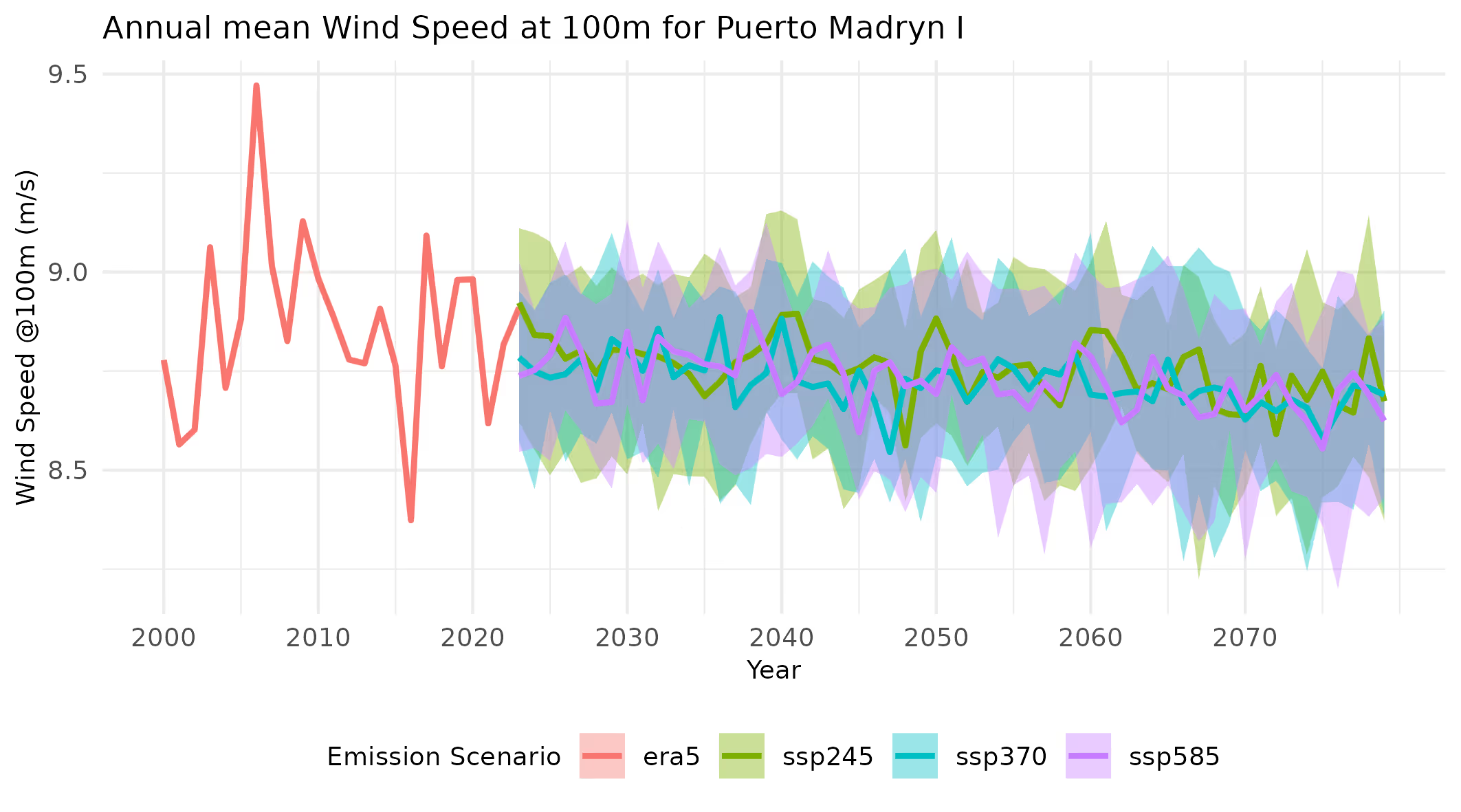
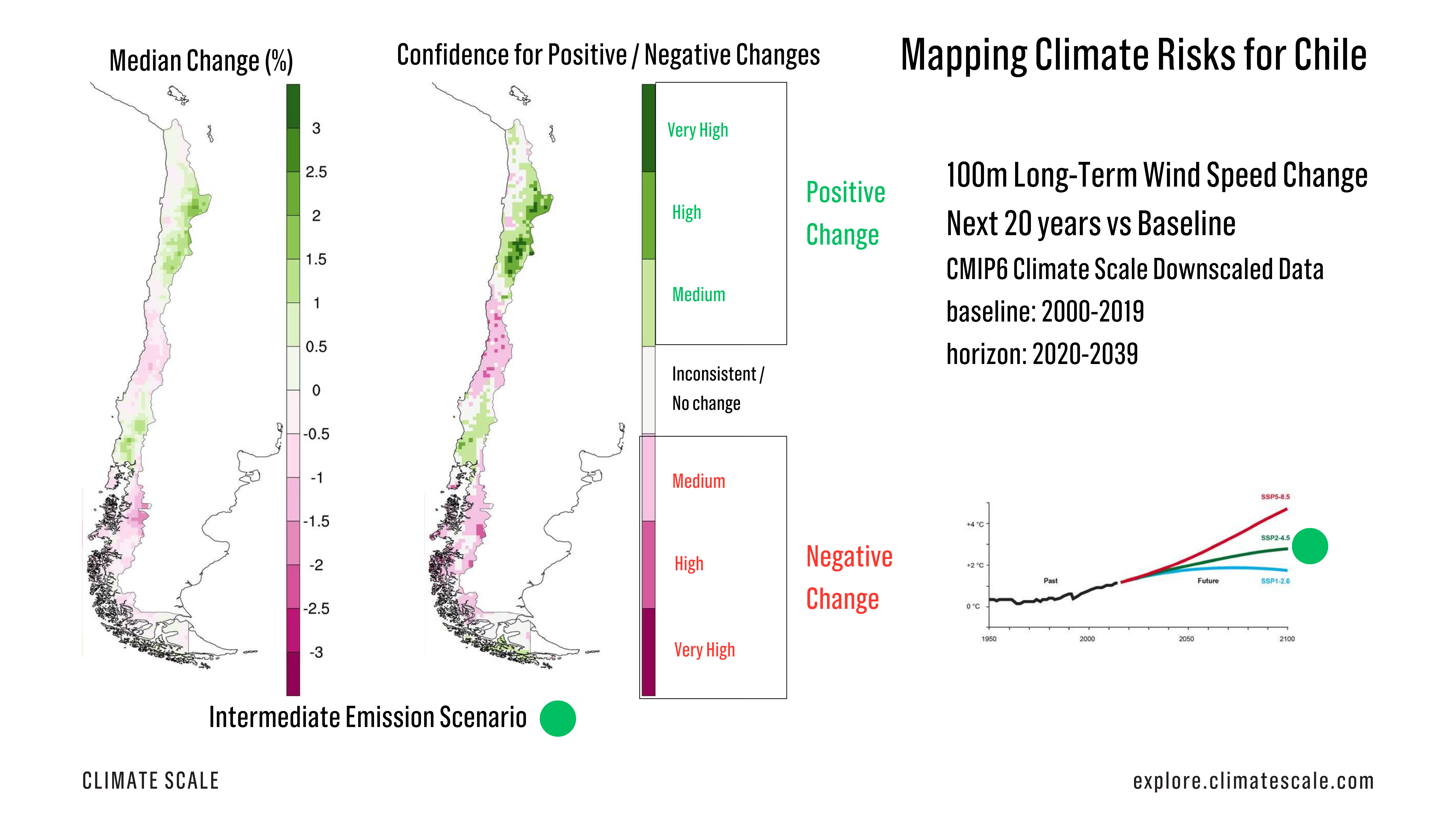
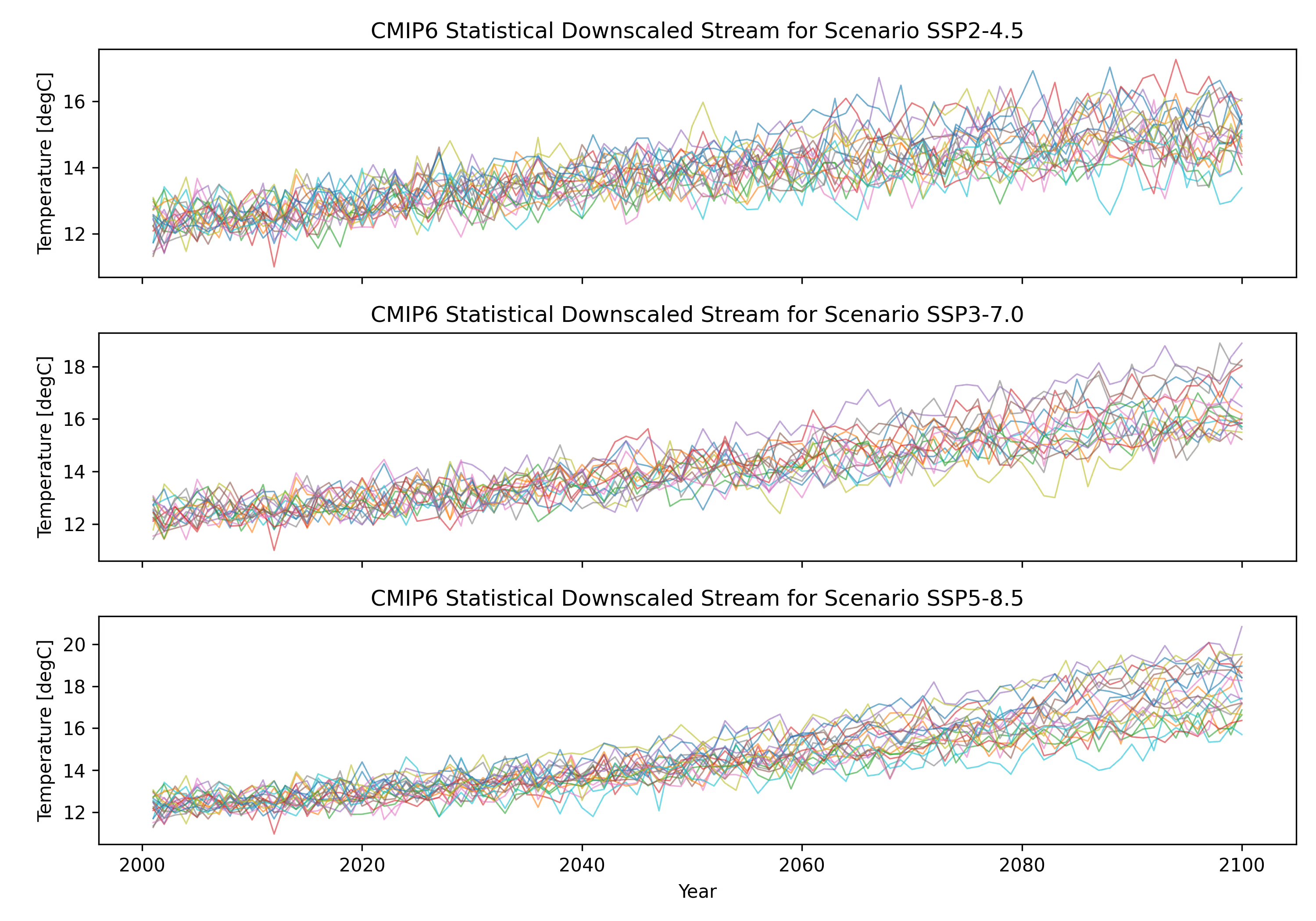
Climate projections complement historical observations by exploring how future conditions may differ under a range of plausible emissions scenarios. Rather than predicting exactly what will happen, they help decision-makers assess future physical climate risk, evaluate vulnerability across the portfolio, define adaptation measures and prioritise actions. This strategy strengthen climate resilience and plan with greater confidence under uncertainty.
As the climate continues to change, organisations require rigorous and standardised modeling data that combines global coverage with high-resolution and localised insights. By utilising meticulously calibrated projections aligned with historical observations, decision-makers can reduce uncertainty and execute robust adaptation strategies.
Beyond This Summer
The headlines generated by this summer's extreme weather will eventually fade. Records will be broken again, wildfire seasons will come and go, and future summers will bring new events that command public attention.
The climate conditions shaping those events, however, will continue to evolve. Understanding how they are changing is becoming an essential part of long-term planning—not only for governments and businesses, but for anyone making decisions that must remain resilient in an uncertain future.
Continue the Conversation
Extreme weather captures attention. Understanding what it reveals requires a longer view.
Subscribe to the Climate Scale newsletter for evidence-based insights on physical climate risk, updates on climate data availability, climate modeling and their impact across business, infrastructure and society.
Share the word







.avif)